


258. Self-Compassion and an ADHD Diagnosis with Phyllis (A Powerful Member’s Journey)
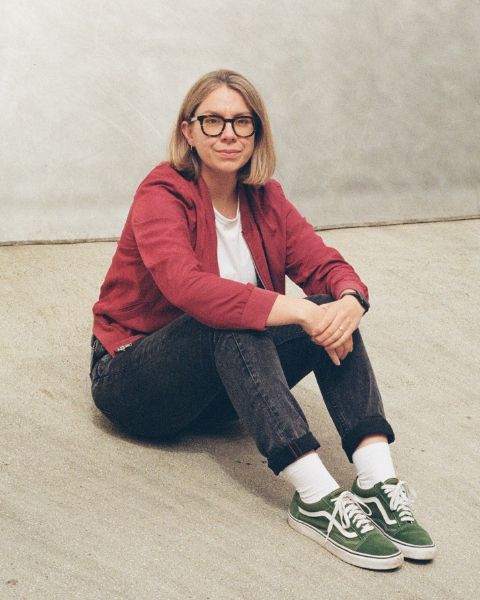
What changes when you start treating yourself with compassion instead of constantly pushing through? In this episode, I’m joined by one of my Powerful members, Phyllis, for a conversation about self-compassion, identity, and what it can look like to understand yourself in a new way. Phyllis shares her experience of receiving an ADHD diagnosis and how coaching supported her through the assessment process and the emotional shifts that followed.
We explore what happens when you stop seeing your challenges as personal failures and start relating to your mind with more curiosity and care. We talk about the invisible effort that often sits underneath outward success, and how learning to prioritise internal goals can change the way you relate to rest, work, and responsibility. This story highlights the difference between functioning on the surface and actually feeling supported on the inside.
This conversation also looks at what it means to honour your needs without justification or apology. Phyllis shares how self-compassion has shaped the way she responds to stress, makes decisions, and communicates with others. Whether or not ADHD is part of your story, this episode offers a grounded example of what it looks like to stop fixing yourself and start supporting yourself instead.
If what you’ve been hearing on the podcast resonates with you, I encourage you to join us in Powerful, our membership, by clicking here!
What You’ll Learn from this Episode:
- How self-compassion can shift the way you relate to your mind and nervous system.
- Why rest doesn’t look the same for everyone and how to recognise what actually helps you.
- What it can be like to navigate doubt and imposter syndrome around a diagnosis.
- The difference between helping yourself and trying to fix yourself.
- How internal goals require different markers of progress than external achievements.
- Why understanding yourself better can change how you communicate your needs.
- How investing in yourself can become an act of care rather than indulgence.
Listen to the Full Episode:
Featured on the Show:
- If this episode has resonated with you, I’d love it if you could subscribe, rate and review the podcast. Your review will help other people find the show and benefit from what I share.
- My new book Powerful: Be the Expert in Your Own Life is out now.
- Click HERE to access the Period Power card deck.
- Order my second book Perimenopause Power: Navigating your hormones on the journey to menopause now!
- Order my first book Period Power: Harness Your Hormones and Get Your Cycle Working For You
- Scroll down on this page to sign up for my newsletter!
- Join us in the Powerful membership.
- Join us in Design Your Decade on January 2, 3, and 4, 2026.
Episodes Related to Self-Compassion and ADHD:
Full Episode Transcript:
This is episode 258, and today’s episode is another part of my end-of-year series where I’m celebrating my clients and the powerful work they’ve done in 2025. These conversations are such a beautiful way to close out the year. Hearing their stories just has a way of expanding what you believe is possible for your own life.
And today I’m joined by Phyllis. We’re talking about her recent ADHD diagnosis and how coaching has supported her through the realisation, the assessment process, and the identity shifts that have come with understanding herself in a new way.
And as you might expect, as an autistic person talking to an ADHD person, we did have to rein ourselves in more than once because, of course, our delightful brains wanted to go off in all sorts of directions. But I think we did a good job of staying on track, and the places where we went off into our zone with it, I think they’re going to be enjoyable for you. So whether you are neurodivergent yourself, you think you might be, or you just want to hear an example of someone talking to themselves with more compassion, then this conversation has got something for you.
And as you listen, remember that you can take this work even deeper than just listening to the podcast by coming to Design Your Decade. So this is my three-day goal-setting intensive that is coming up on January 2nd, 3rd, and 4th. So we’re what, a few weeks away from that happening? I have been busy preparing for it. It is going to be fantastic. It is the best way to start your year with intention and self-leadership and an expanded way of seeing yourself. So I would love for you to join us. The link is going to be in the show notes or on my socials, but you can also just head to maisiehill.com/designyourdecade. Okay, let’s get into it.
If you want to do things differently but need some help making it happen, then tune in for your weekly dose of coaching from me, Maisie Hill, Master Life Coach and author of Period Power. Welcome to The Maisie Hill Experience.
Maisie: Alright, folks, I am very excited because I have one of my clients here with me today. Phyllis, welcome to the podcast.
Phyllis: Thank you. Hi.
Maisie: It’s great to have you here. I love it when I get to spend this time with clients from the membership because I get to find out all sorts of interesting things that I don’t necessarily have the full details or full awareness of through coaching you. But let’s just start things off with the basics. Why don’t you go ahead and introduce yourself? Let us know your pronouns, where you are, what you do, anything you fancy sharing.
Phyllis: Thanks. So my name’s Phyllis, and my pronouns are she and they. I live in Germany. I have a seven-year-old kid who just started school this year, and I work in science communication, which I love very much.
Maisie: What got you into that?
Phyllis: Coincidence or fate, depending on how you like to frame things.
Maisie: Okay, so I know we’re going to be talking about a specific topic today that a lot of your time in the membership has involved, but I’d love to know why you initially decided to join the membership in the first place.
Phyllis: Yeah, that was just over two years ago, I think, and at that time I had started that career path, I think like one and a half years ago, so I was really just getting into it and had like this, you know, first initial frenzy behind me and really knew I was like, okay, this is the thing I love to do and this is what I want to keep doing. And I was like thriving career-wise, but I was completely out of touch with my kid, and like, just I think my maybe personal life or at home in general. So I was functioning. And I think it’s often the other way around, that people like function at work, but have like the comfortable part at home. For me, it was really the other way around.
Maisie: Yeah. It’s interesting, isn’t it? Because for sure I can think of clients who are really struggling at work, and just for them coming home, being with their friends or flatmates or families is like where they get to relax and be themselves, etc. But for sure, I see plenty of people who have a really thriving professional life, but really struggle with the home elements. For all sorts of reasons.
Phyllis: Yeah, and I think it’s often something that we do not necessarily see. You know, with work, I don’t know, you have it on LinkedIn, you’re in like the public eye, but at home, it’s, yeah, it’s a different story.
Maisie: So you decided to join, and can you remember what you got started with?
Phyllis: I think this was autumn, and I decided to pick like a word for the rest of the year. I think it was joy, but the first big thing I worked on was connection, and that was my word for the year after. And so I really, it was a lot of internal work, how to ground myself, get in touch with my feelings, my nervous system, get back in touch with my daughter, and these kind of things.
Maisie: Yeah, what was that like for you to get involved in that way?
Phyllis: It was really interesting because it’s not something I had really thought about before. That coming from someone who studied psychology. But yeah, also someone who, like, I considered myself to be, you know, self-aware and, you know, reflect on things and set goals, but it was still a different experience to have these internal goals that are less tangible because on the outside, I was ticking all the boxes. You know, there was the kid, there was the career, there was the PhD, there was the wedding. There was all the things.
So internally, it was quite interesting to get into that and also find ways, and I think that’s ongoing. It might be forever ongoing to then also know, and I think, I mean, it’s something you often say, how do you know when you’re done, so you don’t move the goalposts. But with these like inner things, it’s really challenging but fun.
Maisie: It’s so interesting that you bring that up because that actually came up on a recent coaching call. It was a goal coaching call, and I was coaching this member on, they’d set an internal goal for the season, and the way they were talking about it, I was like, it sounds to me like this goal, like you’ve achieved this goal. And they were like, No, no, no, because I’ve still got so much more to do.
And I made the point that often with these internal goals, whether it’s something like trusting yourself more, getting better at making decisions, being in your body, you know, all of these kind of less tangible goals, that yes, we set them as a goal for a season and that means that they’re just our focus and that’s the intention, that’s the goal that we’re directing ourselves towards, but that doesn’t mean that when it’s December 21st and the next season starts, that suddenly you never have to do that work again for the rest of your life. It’s always there to some degree, right?
Phyllis: That’d be nice, but utterly unrealistic. But it’s funny, like especially with the seasonal things, like I have also last year, it happened that I had a spring goal, and it didn’t really, I felt like I didn’t really get to do it for okay reasons. I wasn’t beating myself up or anything, but then it just happened in summer without me even thinking about it.
Maisie: That’s so fascinating. What’s your understanding of how you created that success?
Phyllis: It’s really just the focus and a shift of what’s important to you. And in that case, the external circumstances changed a bit, and then it was just easy to do. One of my favourite quotes of yours is “Set yourself up for success.” Maybe I wasn’t doing that in the season before, but then it was easy to do the next. So it doesn’t have to be hard to be a good goal.
Maisie: No, not at all. Sometimes we can work on something and fail at it, but the work we’ve done provides that foundation for the next season. It does happen, maybe without you even having much awareness or doing much work towards it, but you’ve somehow still worked all the things out that needed to be worked out.
Phyllis: Right, and we have the data. Another favourite quote, I have to say, also coming from psychology and a PhD, is “if we fail, it’s not really a failure because we learn something and we get data about something that’s important to us in one way or the other.” So it’s really just data, it’s not a mistake, and then we can do something with that data.
Maisie: Yes, exactly. Put so perfectly. I love it. So you joined for those reasons, you got to work on it, and then at some point in time, I know you started having realisations that perhaps you were ADHD. Were they already there? Tell me what was going on in your life when you first started wondering if it might be part of your story.
Phyllis: Yeah, not at all. In hindsight, it’s almost, it’s a bit ironic because it’s so obvious when you kind of know. I just yesterday I was, I was like, just to prepare for this, I was going through my like really old like wins and goals, and there was something, what was it? It was something about distractions and about my thoughts being so loud. And I was like, oh, but it was just somewhere. So I didn’t know that not all people had very loud thoughts all the time.
And it took me a while because also, I mean, neurodiversity is often a topic that comes up in the membership, and with you also talking about being autistic. So I was definitely aware of the topic, and for like a full, yeah, more than a year, it never clicked, or it was never something where I thought, oh, this is me too. Never. I was like, oh, just, okay, interesting, and listening, but nothing really that I was relating to.
And only this year in spring, when people that I really know personally were getting diagnosed or had the suspicion, or their therapist suggested it to them to maybe get tested. I was like, oh, but like these are my friends. They’re like me. They have their shit together. Or you’d think. So, and being then, you know, able to talk to them, and some of these people having known them for decades, to be like, oh, so this is what it looks like on the inside. And then I started to do research, as I always like to do, and got into a couple of books, and then it really hit me.
Maisie: I was actually going to ask you what did those early signs look like from the inside, and maybe what other people around you may have seen in you, or perhaps not even seen in you that was going on.
Phyllis: What other people like, I think the general idea people have of me is that I’m very well-organised and that I’m very good at managing projects and getting things done on time and dealing with very complex, big projects that have like multiple things to keep in mind and get done. And actually, it was my partner who said, like years ago, when we first moved in together, he said like that I am chaotic, and I was so offended. I was like, I am not chaotic. No, no, no. Like I have my shit together. That’s what I’m known for, right?
Maisie: Yeah, because that’s part of your identity. Yeah, yeah.
Phyllis: Exactly. I’m the one. I get like all my friends know how to do taxes because I taught them how to do taxes. Right? But it was very funny, like him being, and he’s not organised. He’s not a neat person in that way, but him saying I was chaotic, I was really offended, but also looking back, one of these things.
And what really shifted was when our kid was born and maybe when she was like two or three, probably even from the start, but then I just, you know, assigned it to the first chaos of the first year, whatever. But I was struggling. I was really struggling, and now I also know I was especially struggling because it was so boring being at home.
And that’s the flip side of all these gigantic projects that I’m very capable of managing is because they’re very exciting and there’s like a dopamine rush. So it comes easy. But that’s just a small part, and it’s also something I have to be quite careful with because I tend to extend or even go over my boundaries, and then I’m just exhausted because of all the exciting stuff that was happening, but it was actually too much.
Maisie: Yeah, yeah, that comes up quite a lot in clients with ADHD, that conversation about that dopamine hit of novel, challenging things, but that tendency to get so into it and kind of lose that sense of where you are. This is how I would describe their experiences. Feel free to add or correct me. That then they’re just exhausted, and so it’s like it seems to me, at least, like this kind of on-off switch between being really invested, really interested in something, and then collapsing and often just going between those two places.
Phyllis: Yeah, I can definitely relate to that. And about what you said, what people noticed from the outside, like looking back, I think I haven’t talked to people from my past much about it, but growing up and being a teen, I was always the one who was too much, too loud, impulsive, and it’s quite emotional and in some way because now I think if I had known earlier then maybe a lot of negative experience wouldn’t have happened. But on the other way it’s just, I think it can be quite healing knowing there was my brain, like I couldn’t be any different. So there was nothing wrong with me. There’s just the way I am.
I’d say a lot of my 20s, probably even more than that, went into silencing myself, to quote a recent podcast episode. But yeah, I spent a lot of time telling myself to shut up.
Maisie: So it sounds like, especially in that period in your 20s, I’m sure your relationship with yourself has evolved since then. How has your relationship with yourself evolved since joining the membership and having all those resources?
Phyllis: I think the most significant change is being a lot more self-compassionate and allowing myself to rest. These two things, and figuring out what rest means. It sounds like easy. Yeah, just rest, chill, whatever. Also, one of the things that my partner first when we moved in together, Why don’t you just chill? It was a frequent sentence in the household. I realised I don’t know how to, only 10 years later. And looking into that, I used the model to really find out why I couldn’t relax, and now I know for sure, but I did find ways to rest, and they didn’t look like sitting on the couch.
Maisie: I’m really grateful to you for bringing this up because we do have this idea of rest is lying on the couch, and yes, it can be that, and sometimes for me it’s that, but also rest for me can be like hyper-focusing on a special interest for a little bit, for a long time, or even doing some writing or something for me, which is technically my work, but for me, I enter a state of rest with it.
Phyllis: Yeah, absolutely.
Maisie: Rest can look very different from person to person and from environment and context as well. So what does rest look like for you?
Phyllis: It usually involves movement. And I think like knowing now that my brain works a bit differently, it makes a lot of sense. Something needs to happen, and also I have like a, most of the time I have like a desk job, so it’s really important to get that in. For like my personal well-being, like I’m very, I’m a bit fussy about having like, you know, oh, but you know, exercise is the answer in that culture we have nowadays. So it’s really about what it does for me internally, and yeah, it can be that. It can definitely be reading, what I would call binge reading as well, depending on the book. I have to be careful because then sometimes it’s 1:00 AM and I’m like, okay, that really interferes with actual resting, but it was so fun.
Maisie: I know exactly what you mean. And I have to share, I was very thrilled when you shared on one of the threads in the community about the specific book that you were reading.
Phyllis: It was the other series I was just reading that did that to me.
Maisie: So I don’t think I’ve spoken about this on the podcast yet, but I have gotten really into the romantasy genre in the last year or so, and specifically the books of Sarah J. Maas. She has three different series. I can’t remember how many books altogether, but I’ve read them all three or four times. I’m not sure.
And for the last year, I’ve just been cycling through all the series because these different universes all link together, and so I keep reading them and being like, I think this links to that. And I’m reading in bed at night and going, and Paul’s like, what now? And I’m like, I think it’s possible that the serial is actually this character from the other book. I know I’m like giving spoilers away.
Phyllis: My face, oh God.
Maisie: Yeah, I know. We’re gonna just go off on a tangent of romantasy. right. So when I saw that you were reading the books, I was like, Oh great, I’m going to have someone I can talk to about all my theories.
Phyllis: We can do like an extra episode, just, you know, raging about Sarah J. Maas and Rebecca Yaros. But I have to say something, though, that was really interesting for me regarding the fact that I enjoy these books so much and coming from like an academic household where it’s very important to read like proper good stuff. You know, I have…
Maisie: Like, serious…
Phyllis: And for me, it was so interesting that enjoying these books so much, which are not like, I don’t know, whatever you would call fancy literature, who even gets to decide, right? That was so interesting that brought up shame, and me not really, you know, wanting to admit that I read those too. It was so interesting.
Maisie: Yeah, well, it’s good that you caught that. What helped you navigate that?
Phyllis: Like who cares? It brings me joy.
Maisie: Yes.
Phyllis: Short answer. Like seriously.
Maisie: Yeah. No, it’s a short answer, and it’s a simple answer, but I just think you’ve encapsulated what so much of the purpose of the membership is about. It’s about you honouring who you are and who cares what other people think. Right? And being able to get to that place. So I just like wanna really acknowledge you for being in that place and that being your response with that. I mean, how amazing.
Phyllis: Yeah. I can give like a fancy political answer too, like, but I don’t have to. Just to counter it, like, but I do have some serious, I do, but we don’t need to hear them.
Maisie: Yeah. We’ll have to do that for the other podcast.
Phyllis: Yeah.
Maisie: So, coming back to your journey for seeking out an assessment and that diagnosis, what was that like for you? Because I can remember coaching you on a call at a specific point in that journey. And I don’t know how much you want to talk about on the podcast. I’m not going to get into the details unless you want to. But I would just love for you to share about what was involved as you were making the decision, or like having this awareness that perhaps you might be ADHD, and then what that journey was like to actually seeking out an assessment.
Phyllis: Yeah.
Maisie: We recommend to everyone when you get a coached call, watch it back because you’ll be able to take in more when you watch it back and that you weren’t in the hot seat. But it is also interesting to go back a year, two, however long, and actually think, oh, that’s what I was getting coached on then. And actually use that to really see how far you’ve come since then. I certainly go back through my self-coaching journals, and I’m like, wow, I really spent a lot of time coaching myself on this thing that was such a big deal. And you know, I don’t do that and kind of shame myself for the amount of coaching I needed to do for something, but I can use it as evidence for like, wow, things have really shifted because now, you know, that just wouldn’t be a big thing at all.
Phyllis: That’s, yeah, I’m the same. Like it’s sometimes like I even, I really forget that I was coaching myself or using Ask a Coach for like a certain topic, and then I look back at it and I’m like, oh, look, not like, oh, I made that a problem, but exactly that, like it’s not even a problem anymore, so much that I don’t even think about it anymore because I shifted so much.
Maisie: My memory of this coaching, which might be off, was about you not wanting to be assessed.
Phyllis: Really?
Maisie: Yeah. I remember, my memory of it, which could be wrong, was you wanted to get coached on being ADHD, but you kind of started off the coaching saying, I don’t want to be convinced that I should be assessed, or something like that.
Phyllis: Oh, that’s so interesting. And I know why I said that. I probably said it because I was telling myself to not get my hopes up. And like if I had the assessment and it turned out, no, I don’t have it, it’s just, I don’t know, whatever it is, then there would be something else wrong with me that I couldn’t, you know, name, “wrong” in quotation marks.
Maybe that was that because I know that a lot of time I was having like an ADHD imposter syndrome thing, like, oh, it’s just because I read so much about it and I’m just getting into it so much that I’m telling myself that I have it. In hindsight, and I had to do it at the time, being like, no, you can trust your guts. You know yourself better than anyone. And if all of this clicks and you can relate to all these stories, then yeah, probably it’s ADHD, and it was.
Maisie: Yeah. But what you’re speaking to is such a common experience. I don’t know anyone who’s gone through an assessment for autism or ADHD themselves or for their children who hasn’t had that concern of like, what if I’ve made this all up? What if I’ve just convinced myself of this, and if I’m told that I’m not or they’re not neurodiverse, then dot, dot, dot. So you decided to trust yourself on this.
Phyllis: I did, and I was quite lucky because I did get appointments quite fast. And I think this like it occurred to me around like around May or at least or maybe a bit earlier, but in May I tried to get the appointments, and I did have those in July and August, I think. So it was really just three months, which is very lucky.
Maisie: And so, how has the confirmation that you are ADHD shifted things for you?
Phyllis: It’s been a roller coaster ride, really. At first, I was, even this tiny bit of disbelief, like, oh, but what if I convinced myself so much that I convinced them? Knowing it was also a computer test, so how would I like fake it? Professionals who have been doing that for years. So it’s quite obvious.
And then there was a lot of relief. Yeah, some like regret, as I said before, like had I known like when I was younger, and I think this is magnified by now me having the suspicion that our kid has it as well. And I see a lot of myself in her, and she might, like I remember a lot more what it was like for me as a child watching her struggle with certain things. So it’s like a, I would probably ignore that bit more, like about me missing chances or whatever when I was younger, but it is like now in front of me and this tiny, not so tiny person that I’m responsible for and that I love so much, that that’s really weighing me down because I want to help her.
Maisie: So you mentioned earlier that earlier on in your life, there are these ways that other people criticised you, ways that they described how you are, who you are, and of course, it’s understandable we often then internalise that in some way. So I’m curious, since having that confirmation, that personal realisation about you being ADHD has shifted the way that you speak to yourself.
Phyllis: Oh, I said that earlier, like there’s already more self-compassion than compared to before joining the membership, but that now really helps to just say, yeah, like, oh, no wonder I’m doing that, or especially also on the resting part. I think still part of me was like allowing myself to rest in a very, I don’t know, I wouldn’t say it organised, but more still, more kind of being a reward thing. And now I really just, I can’t do whatever anymore. I don’t. So if I have any choice, I we always have a choice, don’t we? But if the choice is easy to make, I really don’t do something.
Like just the other day, I came home from work and tried to make some tea, and then we have one of these water filter thingies. The lid came off and all the water splashed. I did get like the electrics out and just left the rest. Took my wet socks off, right? And then I just left. I was like, texted my husband, like, okay, chaos in the kitchen, don’t ask, it’s the thing. And then just laid down without any tea.
Maisie: I was thinking of times in my life where I have done something similar, like just deal with the most emergent thing and just leave it, go take care of myself, and then I’m going to come back to it.
Phyllis: Right. And before I would have, you know, cleaned up the whole thing and probably started crying and whatever. That was just like, no, it’s, I can’t do it right now.
Maisie: What a way to honor yourself. Like in a very real, very practical way. Because, as you said, you could have gone into “I can sort this” mode, which often neurodiverse people are very good at doing. Just I’ll solve this, I’ll take care of it, and even overfunctioning as well. How are you able to do that? Because I know there’s going to be people listening to this who are like, I’d love to be able to do it. Tell us your secrets.
Phyllis: Well, I think I was exhausted anyway. And I didn’t even get the chance to mention this in the membership, and it’s a whole other big topic now coming on top of this, but I was in hospital two weeks ago, and it’s called, I’m going to say it wrong, laparoscopy, that what it’s called? Yeah.
I’m not saying it wrong. See how I’m minimising myself before I even did it. Anyway, turns out I have endometriosis too. And that really hit me like, in combination with, within a four-month span, knowing I have two chronic conditions. So the past few weeks have been rough anyway.
But that being said, I don’t think it’s a good idea to wait until everything is like into pieces anyway, and then you allow yourself to do something like I did in the kitchen back then. And it’s really something, it’s about for me, acknowledging my nervous system. And now knowing it reacts differently than that of neurotypical people also helps because it was something, I mean, that’s something you teach early on in the membership, you know, it never really clicked for me.
But now knowing I am so susceptible to many things and that I might react differently than, yeah, one might expect. I mean, who, the “normal idea,” quote unquote, it was really about just being quicker at realising, no, this is like if I keep pushing, it will get worse. It’s not going to like that tidyish kitchen is not going to help, lying down will, and being quicker at noticing that and also picking a time point because, as you just said, often we go into yeah, let’s push through, let’s do this and that.
And I have to do this anyway when my kid is at home. And I was by myself. So I don’t want to lose shit when she’s with me. I already use up my resources and, you know, pushing through and glossing over whatever might be going on, at least a bit. So in that moment, I was really just like, No, that’s it.
Maisie: I mean, that’s the thing. We were talking about this recently on the Decisions Power Class about sometimes we can make a really powerful decision from a place of dysregulation because it’s that point of like, okay, from a nervous system point of view, it’s about survival in that moment. What do I need? And it just comes down to that, not what do other people expect of me, what’s the acceptable thing for me to do here, blah, blah, blah. It’s just, this is what I need. And it’s very no-nonsense.
Phyllis: Exactly that sentence, like this is what I need right now, is something that now knowing I have ADHD is something I can easily say to my partner when I do something like, I don’t know, let’s say unexpected or weird or, you know, maybe even annoying to him, but being like, no, this is what I need right now, is like a new sentence and I can’t do this right now is another. And we talked about that I just have to say this because my usual way of dealing with these things is like explaining myself. Oh, no, but you know, you don’t get it, which is then even more exhausting.
Maisie: I don’t think people realise how much explaining neurodiverse people do.
Phyllis: Yeah, and I didn’t know that other people don’t do it. But it’s just like this over, you know, you can just say the thing, and you don’t have to say why you need it, you want it, why you thought about it, why you and but I think this is just the way your brain works because so many things like intersect and are interconnected, and you know, you have like one small topic and then like five others pop up.
I do love a good meme. So there’s so many funny memes of people trying to tell a story. They are hilarious, and they are all true.
Maisie: So it is, I think there is that neurodiverse tendency to quote unquote “overexplain,” but I think then there’s also that how neurotypical people interact with us and the things that we do that are a bit different to other people or the needs that we have or even for me, like I just do things in a very effective way. So I have a process for all sorts of things, and I haven’t necessarily got it as like step one is this, step two is this, but I just do things in a very efficient way.
And sometimes Paul asked me a very simple question about something, and he’ll just kind of want to know why I’m doing something a certain way. And I’m like, oh, now I’m explaining this again. So sometimes it can come from well-meaning desire to understand things, but often I think we’re faced with questions where there’s a judgment about it in terms of a negative judgment about it. So then we can get pulled into explaining things, and it’s like, I don’t have to explain my whole life.
Phyllis: Yeah, and then also, I guess depending on a lot of things, but then it’s the explaining or even the explaining becomes, you know, even before the question was asked because you’re so used to it kind of going wrong or being perceived as like a bit off, and then it’s apologetic. It’s not an explanation, like a factual conversation. It becomes an apology. And I don’t want to do that anymore.
Maisie: Great. Let’s celebrate that.
Phyllis: Let’s see how long it takes. But I don’t want to do that anymore. And I’m just starting to, you know, at work, figuring out what it means there and also in day-to-day things, learning. Actually, my symptoms got worse after being diagnosed, but I think that happens quite often because you then realise all of the things that are more exhausting for you than they are for many other people.
Maisie: Yeah, I think there’s definitely post having that confirmation from a diagnosis, then there is often the full weight of how you’ve been experiencing your life tends to hit you, and we have less spoons, like less capacity to keep the pretence up, and also the celebration of that and starting to drop some of the things.
For me, it totally coincided with being in my 40s and starting to be on that changing hormonal landscape that happens then. And so I think that also cranked up the dial on my autism as well. But that’s also an experience I’ve heard a lot in terms of ADHD.
Phyllis: Yeah, I’m really curious and also a bit scared, now knowing I have endometriosis, I know I’ll have to go on hormonal treatment, how that might interfere.
Maisie: Yeah. So, looking at all that together. But great knowing that you actually have that information.
Phyllis: Yeah, absolutely.
Maisie: And that you do have both of the diagnoses, so you can really look at what are your treatment options are and knowing that you are ADHD. So how are you navigating these things in terms of your work and your career? It sounds like you were in the midst of that right now.
Phyllis: Yeah, yeah, actually, yeah, just to go off track again. When you asked me to come on, my first thought, it wasn’t my first thought, it would have been my first thought before would be like, oh, but I’m not feeling really on top of things right now. Like I’m in the thick of it. Maybe we can do it some other time. I didn’t think that. I did think, oh, yeah, I’m really in the thick of it. Now it’s a good time.
Maisie: Oh, I love that.
Phyllis: Which is also something I learned from you. Buying Buttons, I remember quite vividly.
Maisie: Yeah, because when I got my horse, I was definitely in the thick of injuries and confidence and like all sorts of stuff to do with horse riding.
Phyllis: Right now, I don’t really know what I’m doing, but from what I’ve learned in the past, I do know that I’ll be able to handle it, whatever it is. It’s a bit tricky to say right now because I was off on a different project this whole time since August, which was a really demanding project too. So I think my whole like, I can’t find the right word, but I think the whole system kind of shut down or wasn’t in its… I have a hard time to say it’s not functioning because I don’t, I don’t like the idea of functioning. I’d like to think of health as like a like a systemic thing.
And ADHD, learning that I have it in the first week of that big project that I was doing, then you know, navigating me knowing that at the workplace with people I have never met before, then going to hospital right after the deadline of that project, and then it’s been two weeks. So I was still on sick leave last week, and this week was the first week I actually went back to my usual workplace.
So it’s really, yeah, that time where I’m like, just need to start looking and what will work for me. But the interesting thing is that many, many things, like small things, I say small because I mean small in terms of like a fidget toy, but impactful small things, I have done over the past years really, knowing that something was off or not, you know, feeling great all the time, which is not the goal and not something we can achieve, but I think you know what I mean.
And there are so many things that I did that already helped me before even having the idea, there were so many like hints, like getting these noise-cancelling headphones, which was a splurge, which is like another great topic to get into on what we spend our money on. Another side note.
But then I was at a conference, and someone brought fidget toys, and it was about making exhibitions more inclusive. And that was the first time I actually had a fidget toy in my hands. I was like, Oh my God, this is so nice. And I just bought some. Just like, okay, yeah, they’re nice. I’ll get some. And all of these smaller things.
As I said, I’m really good at project management. So I never barely make mistakes at work or anything. But then implementing things like smaller breaks, and then working with my cycle. I improved what I eat and when I eat, and again, coming from that, how I feel inside my body, not, I have to function, or I should look a certain way. And the same with sports.
So there are so many things that are already into place when I got the diagnosis, but now, having to go to hospital and then going over my limits in that project, I’m now really at like point zero. So I want to build up all my useful habits again and then take it step by step.
And I’m really looking forward to our boundaries topic, actually, because at first I also thought about like external boundaries. Yeah, I have to have boundaries with my colleagues. I have to maybe tell people, like, no, I can’t do this and that way, please
But I realised, also being home and having all the time to read and stuff, I also need an inner boundary of what I take on information about ADHD. All the things that might help, because then again, there’s literature on everything, like what you should eat, what helps with ADHD. It all came crashing into me. I’m like, okay, no, I need to set a boundary with that. I was on the verge of having to think I have to fix myself, but I really want to help myself.
Maisie: Yeah, that’s such an important distinction. And I think for sure, there is that phase of wanting to understand more, you know, like having that confirmation, wanting to go off and, like you said, you enjoy researching things and you enjoy reading things and wanting to get that, but it’s, as you said, you know, when we think about the self-coaching model that we use in the membership, if that’s the action line of reading, researching, where is it coming from? And there’s a big difference between I’m looking for ways that I can support myself, understanding myself, versus I need to fix myself somehow. Very different. I just wanted to pick up on what you mentioned there about investing in noise-cancelling headphones.
Phyllis: Yeah.
Maisie: So, tell me about that or just investing in yourself generally, because this does come up quite a lot in terms of the membership.
Phyllis: Yeah, it’s one of the, like, not health-related things that really helped me in the membership as well. I always thought I was quite good with money in the way that I don’t have any debt, and I know how to do my taxes. Like, I earn enough to spend the money on the things I want, kind of, and I also do our shared, what’s the word, account. So like anything, rent and the car and whatever, like I managed that as I said, I do love, and I’m very capable of managing complex things.
But I realised that really making investment for myself was really quite hard to do. And it was something that kept me from joining the membership for a time before I actually did join, but I was like, no, like I could afford it. Like, I mean, I can look at the numbers and be like, yeah, I have that kind of money. I can spend it, but it felt, I don’t know, indulgent, extra, not whatever, like all the things you can tell yourself of why you don’t deserve something.
And that was something that has really shifted in the way that I think knowing what’s really important to you, obviously changes or can impact how you behave, but it’s also impacts how you spend. And before I was someone who would like, oh yeah, but I, you know, I deserve that nice coffee, or I didn’t have a problem with spending money on books because you know, that was something… intellectual to do.
Maisie: That’s legitimate, that’s allowed.
Phyllis: It will make me smarter and whatever. But I mean, these are small amounts, as in like coffee, books, or clothes, even, I don’t know. I was never like an avid shopper, and now I know why, because it’s extremely dysregulating to go shopping. But then, you know, making bigger investments and taking up space at the same time.
So, like in the, I think last year, I got my own website, and I did get photos taken, and I even had like a logo designed, and I’m not even self-employed. And that’s like, that’s the fun part. Like I didn’t even have to, but I wanted to because that career that I’m now in is something that I know I’ll do for a long time, but there are so many ways you can do it, and I know I can do part-time things, or you know, freelance, that’s the word. I can do freelance projects or whatever, and I can do it at a time where maybe I’m not as challenged health-wise, and my kid is a bit bigger, but now I’m building my portfolio, so why not get a website?
Maisie: Investing in yourself.
Phyllis: Right. That, and also now, the recent thing was I took private yoga lessons that really accommodate like how I feel that day or week, and I got a cargo bike, which is not even that much for me. I’m cycling with my kid, and I get through the groceries with it, but even that, knowing yes, I have that kind of money, still was like, oh no, it’s too big, it’s a big splurge. Whatever, like, it made my life so much easier. So…
Maisie: I know, it’s so fascinating because usually all the things that women say to me, like, well, this is an indulgence, this is a splurge. And then we look at what the thing actually is, and why they want it, and how it’s going to impact their lives. And it’s like, no, this is completely necessary.
Phyllis: How is it a splurge? Like it’s minus two degrees. How is it a splurge to go cycling at 7:30 when it’s minus two degrees? It is not.
Maisie: That’s hilarious. It’s such a great example of what we’re talking about, though. But it’s so interesting though, isn’t it? Because at the same time we receive all this marketing that it’s okay to spend money on lipstick and nail polish and things that typically make us more attractive to men, in terms of that’s where the marketing’s coming from. You know, it’s okay to invest in yourself to make yourself look better for men. But if it’s for you and your benefit and like learning how to manage your mind or buying a bike or investing in yoga that suits you and accommodates who you are and your needs, then that’s not okay. Bonkers. Okay. If you could tell two years ago you something from where you stand now, what would you say?
Phyllis: You got this, and you’re in for a ride. But I think it’s like you have it in you. Like, I think we all have it in ourselves. Like we have it. And some things might be easier to dig out, and others might be harder to access and evolve. But you have it in you, and you’ll get there, and then you’ll go on and further.
Maisie: Exactly. It just keeps going.
Phyllis: I mean, there’s so many things, and I know you’ve been saying this forever, and I listened to this podcast way before I got into the membership, always how the people like sometimes set goals and then they do something completely different, or more, or they do it way earlier. And I would like listen through this and be like, yeah, but not me.
I don’t know if you remember, that was last year in the summer when I climbed Mount Pico by myself. I was like, how? Like I would not have believed it that I would go to climb a mountain by myself.
Maisie: That’s so fun. And that’s the fun thing, you know, when you set like a big bold goal, and then it happens quicker than you realise.
Phyllis: Yeah. And there were so many things. Like, I remember that post so vividly. I posted in the membership because I was so proud, and this was not about me. Oh, I’m on top of a mountain. Like I did this physical thing. It was investing in the taxi to take me there like 5:00 AM in the morning. That was also me doing something by myself on a family holiday and leaving them to whatever, they can, they’re fine, right? But still, it’s something I think especially mothers often struggle with being, oh, but you know.
So there was these two things and the main thing was really that when I talked to a guide, he said, oh no, like, you know, physically, yeah, it’s long, but it’s not very deep and it’s not, you know how it’s like sometimes, what’s the word, like when it’s like slippery or you have like really steep when you get scared of heights. That’s what I’m looking for. Like when you have to look down or have to actually climb, I wouldn’t say it’s a walk. That’s a bit undermining, but it’s not like an alpine activity. It’s exhausting still. But that guy said to me, the biggest challenge is mental. And I’m like, oh, you know what, that one I’m fine. That was the shift. I was like, Oh, then I can do it. If that’s…
Maisie: Why could you do it? Tell me. Tell the people.
Phyllis: Because I can manage my mind, whatever. And I mean that being a choice, knowing the weather’s going to be good. I brought everything. I know what I have to do. I did the research. I have the boots. I have the snacks. I have the whatever. And then if the only thing that will challenge me on the way up is my mind, well, then it’s just me. And then it’s just I can deal with that, whatever it does. And I thought about what might help, and it was really a bliss. I did listen to a podcast for like almost two hours, and I was halfway there anyway. And then I didn’t even have a challenge mentally, but I would have been able to cope, and even if something had gone wrong in what way, I would have turned around, and then it wouldn’t mean anything other than that I took care of myself.
Maisie: Yes. Exactly. I mean, this is the thing, like the ability to manage your mind and to have resilience, that internal resilience, which includes taking care of yourself, like you said, and making that decision, I can just turn around. Because that’s also the mental challenge of not using that as evidence that you failed or that you never accomplish anything that you start, you know, you never finish anything. Like, there’s so many narratives that someone could have at that point in time.
I’m the same when, you know, like my horse riding instructor is like, you know, riding is 90% mindset. And I’m like, I don’t get me wrong. I’d love to sort out my hypermobile legs that move around too much in the saddle. But you know, that’s where I have to manage my mind is on that my body is different to other people’s and that I can’t use how other people ride as evidence that I’m not riding to the best of my ability and things.
Phyllis: Exactly. And of course I would have been gutted if I would have had to turn around. But still, it would only mean that I took care of myself. And I didn’t have to in that case, but it’s really these, this ability is really something that’s so valuable. I think every day or at least every other day, I’m like, Oh, that’s just a thought in my head. I’m just like, Oh, that’s just a thought. And every day, I don’t sit down and do like a full model and blah, blah, blah. It’s just like, Oh, that’s just a thought, and then it’s usually already gone. And if it’s not, I’ll deal with it. And it doesn’t mean it’s always easy. I mean, I might make it sound like, oh yeah, we’ll just do some self-coaching, and it’s everything’s fluffy.
Maisie: And it’s, I think what you’re talking about here is just because you know how to manage your mind, just because you have all of these skills, and we have all the stuff in the membership, it doesn’t mean that your life is 100% fantastic all of the time. There’s still challenges, there’s still shit days, but you have the skills to respond to those challenges and to take care of yourself through them.
I said to Paul recently, I was like, oh my God, there’s people out there who don’t know how to do these things. And sometimes I forget because I’ve been doing them for so long and they’re just so normal to me. And then I have to remind myself, but there’s people out there who have no idea that what they’re thinking is a thought.
Phyllis: Yeah, and it’s sometimes, to be honest, it’s quite exhausting to watch sometimes.
Maisie: Say more about that.
Phyllis: Just oh, it came up a couple of times, other people brought it up on Ask a Coach, like how to deal with partners who are not as, you know, into this. I’m like, yeah, can relate. But then again, there’s this other bit of how do I expect people to behave, or what how what can I just tell them or ask them kindly to do?
And then the other is really at work because that is like a completely different relationship. At work, there’s more than, I think there are like 15 people in our team that work more or less closely together, but that’s like a team. And especially my dear colleague that I share an office with, who I’m sure, like I’m 100% sure, and she might listen to this, but I really mean it, is she gets a lot of stuff thrown her way. And not in a nice way. It’s not necessarily a nice, or it’s not a very accommodating work environment that we’re in sometimes.
But also watching her taking like everything, it affects her so much. And that’s her reality. So I feel for her. And I can’t know what it looks like for her or like inside her because she has a completely different job than I do. It’s just we share the room. So I don’t have these obstacles or comments or whatever circumstances that she has.
It’s easy for me to say, Oh, if you only knew, you know, how to apply all these things, but still, for me, so many things are quite obvious. Like she often says, “Oh, but they, they do this and this, and they mean that, and they just think that I am…” And all I can say is, “That’s not a fact,” but she obviously… that doesn’t help because it’s her reality. Like it’s so real for her. And I really don’t mean to say that she’s, you know, exaggerating or that she’s in any way sensitive or, you know, it’s really just that she doesn’t have the luxury, which it shouldn’t be a luxury, of that extra filter going like, huh. And I’m so unfazed by many things because I’m just like, huh, that’s a thought.
Maisie: I was going to ask you which skill from the membership you feel has changed your life.
Phyllis: Probably that, just like, ah, that’s a thought. And I can, and also then going, I can think different things. And there are so many, really. It’s quite profound, the impact it has. And it’s so funny how even being there like for two years, I then forget that I’ve come so far. And so I’m so glad we’re doing this today because just in hospital, I was thinking, oh, I should do my season review. And then also, yep, another favourite is the should. If I hear a should in my head, I’m like, No, ah, what’s this? Something’s off.
Maisie: Yes. It’s a great thing to catch. It’s just noticing the should.
Phyllis: Yeah, and it’s really, yeah, the noticing and whenever I make time to do the, you know, the bigger things, like the Power Classes or do the season reviews or anything else really. And I know now I have problems starting things coming from ADHD, doesn’t mean it makes it easier, but now I know, and it’s always worth it. That was like never once was there a time where I was engaging with any kind of material and being like, okay. I always walked out feeling better and having learned something.
Yeah, so it’s, and it’s important, and I think that’s something that took me a while to learn. Like when you’re new in the membership, there’s like, oh, and there’s this, and that, and I have to do all the things and… no, you don’t. You take whatever serves you, and when there’s a time where you can’t for whatever reason, you don’t. And I always know that I can come back to it and then engage with it and learn something new.
Maisie: Yeah, it’s so interesting that you bring up the end of season review because, of course, I think when this episode comes out, it will be probably in December, so we’ll be moving into the end of the year celebrations and reviews.
And you just reminded me, I remember one of the members saying that when they did their first review, and you know, there’s a lot of space in that workbook for things to celebrate. I think there’s maybe two pages or something. And the first time they did it, they were like, I’ve got nothing to say. Like, and it was so challenging for them for all sorts of reasons.
And then several seasons in, after doing it repeatedly, they were suddenly like, Oh, I’m just filling out this page. Like, I know how to celebrate myself now. I’m not holding back because it wasn’t that they didn’t have things to celebrate before, it’s just that they struggled with the idea of celebrating it, so they couldn’t even see all the amazing things that they were doing.
Phyllis: Yeah. Yeah, I’m the same. Like before, I was like, or also looking back, like the first couple of wins I wrote down were very, again, tangible. I can’t think of anything right now, but like I did a thing. Like, you could look at it from the outside, and it was a thing that was worth it, you know? Whatever it was. And that shifted so much to me just acknowledging whatever was going on and accommodating what I needed.
Maisie: Yeah, and that’s so important, right? It’s just acknowledging who you are and what you need and letting it be that simple. Okay. To finish off, I would love to know what would you like listeners who suspect that they have ADHD, what do you want them to hear from your story?
Phyllis: Yeah, I think, I said it before, but really, like, trust your gut because you know who you are. And even if, for whatever reason, you might not be able to get diagnosed, and that’s how I framed it, I learned something about myself, and I learned tools. And even if I never know why things are different or challenging for me, I then have, again, something that I can work with to make my life easier. And it doesn’t matter if I have this piece of paper somewhere, but I know I can work with my brain, whatever it does. If you’re lucky to get a diagnosis, be prepared for a ride, I should say, because there’s so many things to tackle and it can be scary, like workplace, family, the list is long, but now having the knowledge combined with the tools from the membership, that’s really powerful.
Maisie: Thank you so much for coming on and sharing your journey, especially when you’re in the thick of it post-endometriosis diagnosis as well. And for those of you who are considering getting a diagnosis of some kind, or you are in that post-diagnosis phase as well, make sure you check out, I think it’s one of the earliest episodes I did, maybe in the first 20. I did an episode that was about something to do with taking care of yourself post-diagnosis.
Phyllis: I did go back to listen to the spoon one, and I really recommend that as well.
Maisie: I want to guess it was like episode 16 or 17, something like that. You want to check that out, go ahead and do so. But Phyllis, thank you for being so generous with your time and with sharing your experience. I know these episodes are always so helpful to the people who are listening. So, thank you so much.
Phyllis: Thank you so much for having me.
Hey, if you love listening to this podcast then come and check out my membership, Powerful, where you get my best resources and all the coaching you need to transform your inner and outer life. Sign up to the waitlist at maisiehill.com/powerful, and I’ll see you in the community.
Enjoy the Show?
Don’t miss an episode, follow the podcast on Spotify or Apple Podcasts.
Leave a Review on Apple Podcasts
