


257. Long-Term Goals and Imperfection with Heather (A Powerful Member’s Journey)
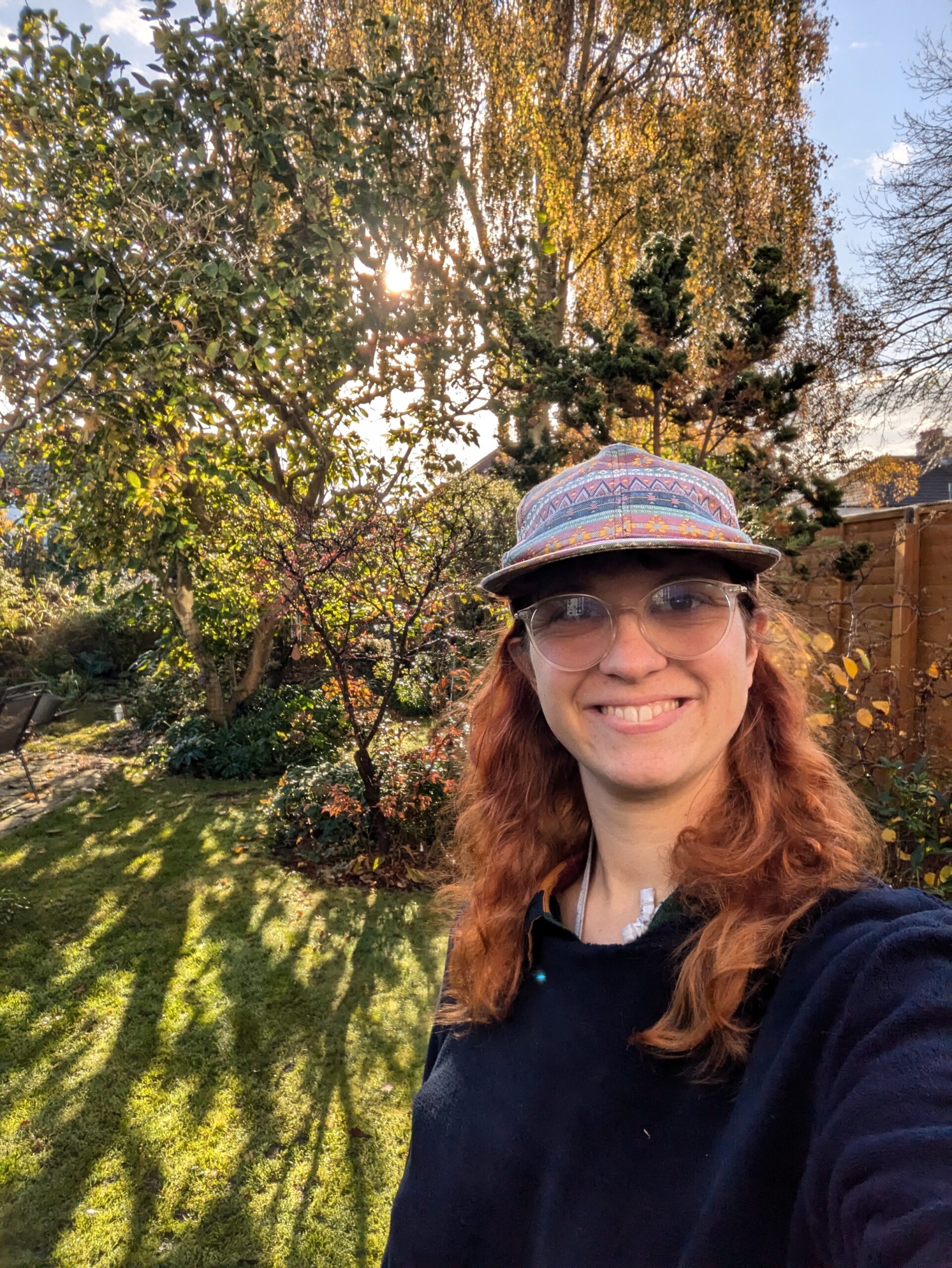
What if the goal you set made failure impossible? In this episode, I’m joined by Heather Newson, one of my long-time members from Powerful, who shares her experience of working with the goal of being okay with getting things wrong. Heather takes us through her journey of navigating perfectionism and how embracing imperfection has shaped both her personal and business life.
We also explore Heather’s bold long-term goal. She shares how she’s remained connected to this vision despite life’s curveballs and how taking imperfect action has helped her continue moving forward. Heather’s story is a powerful example of how staying committed to big dreams can lead to growth, even when things don’t unfold as quickly as expected.
Heather’s journey offers practical insights into letting go of self-criticism, raising your rates with confidence, and embracing the discomfort of growth. It’s about holding onto your vision while allowing room for the pauses, setbacks, and lessons that inevitably come along the way.
If what you’ve been hearing on the podcast resonates with you, I encourage you to join us in Powerful, our membership, by clicking here!
What You’ll Learn from this Episode:
- How to set a goal that makes failure impossible and why “getting things wrong” can be a powerful goal.
- The difference between making mistakes and letting them define you.
- How raising your rates regularly can become a simple, confident business practice.
- How to stay connected to long-term goals and navigate the ups and downs along the way.
- Practical ways to interrupt self-critical thoughts with the phrase “that’s just a thought”.
- Why focusing on “how” and “what” can move you forward when “why” keeps you stuck.
Listen to the Full Episode:
Featured on the Show:
- If this episode has resonated with you, I’d love it if you could subscribe, rate and review the podcast. Your review will help other people find the show and benefit from what I share.
- My new book Powerful: Be the Expert in Your Own Life is out now.
- Click HERE to access the Period Power card deck.
- Order my second book Perimenopause Power: Navigating your hormones on the journey to menopause now!
- Order my first book Period Power: Harness Your Hormones and Get Your Cycle Working For You
- Scroll down on this page to sign up for my newsletter!
- Join us in the Powerful membership.
- Check out Heather’s Instagram here: gardeners_eye_view
Episodes Related to Long-Term Goals:
- 234. Why Perfectionism is Holding You Back
- 240. The Key to Achieving Your Goals: Focus on the Rocks
- 247. Goal Setting and The Long Game of Change
Full Episode Transcript:
This is episode 257, and by the time this episode airs, I will have turned 45. So between it being my birthday and us approaching the end of the calendar year, I’ve been doing a lot of reflecting and I was going to put a podcast episode together talking about the successes I’ve had over the last year, the challenges, everything I’ve learned away, all the stuff I’m still in the middle of, and share that with you.
But then I realised what would be more powerful would be to share the stories from inside Powerful and to have some clients on the podcast and let you hear their stories.
Because hearing about what’s going on with me is one thing, but you get to hear that a fair bit through me talking on the podcast. But when you get to hear about how someone has used the work in their own life in a completely different set of circumstances, that’s where so much of the insight lives. And I know that the episodes I do with clients are really helpful to you because you get to pick up on all the stuff that they’ve used in their life and borrow it and use it in your own. But it’s also really inspirational, and we just have such rich conversations.
So this is the first conversation in what’s going to be an ongoing series where I’m bringing on the members from Powerful to talk about their experiences, the changes they’ve made, the hurdles they’ve met on the way, and the things that they’ve done that they’ve achieved, that once felt really out of reach for them like impossible goals. And we are starting strong with Heather.
Heather shares the very first goal she worked on inside the membership, and I have to say, this is an example of top-tier goal picking. Seriously, it is a good one. You’re going to want to borrow this from her. It is the kind of goal that opens doors in every direction once you start working with it. It’s so good.
She also talks about a long-term goal that she’s been working with for a while already and continues to. This is a goal she hasn’t created yet; she is still in it, and she just speaks so beautifully about what it’s like to be in that place. The pauses that happen along the way, life throwing things at you, and how to stay connected to a desire that is unfolding. The results are unfolding.
So this episode really honours the curveballs that life can throw at us, the tenderness of the human experience, and the power of staying with yourself through all of it. So enjoy it.
If you want to do things differently but need some help making it happen, then tune in for your weekly dose of coaching from me, Maisie Hill, Master Life Coach and author of Period Power. Welcome to The Maisie Hill Experience.
Welcome to the podcast, everyone. I am thrilled to have a guest with me today. One of my clients, Heather, is here. Welcome to the podcast.
Heather: Thank you very much.
Maisie: Great to have you. Go ahead and introduce yourself. Share your pronouns and whatever you want to share about you or what you do.
Heather: My name is Heather Newson. I go by she/they. I guess for money, I’m a gardener, but I also dabble in improv theatre, singing in a choir, and I like sewing, and I really like a night out involving some serious twerking.
Maisie: I love it. Oh, what an introduction. Absolutely fantastic. Very on brand, I would say, that introduction, for what I know of you. Okay. So I have known you for some time. I think I remember the first time that I coached you. I’m not sure I remember what it was I coached you on, but I just, I can kind of remember the feeling of it. So, when did you join the membership? I know you joined way back when it was the Flow Collective.
Heather: Yes. I went back and looked at my bank account. It was in March 2022.
Maisie: Okay. Gosh, yeah, it’s 2025 now, isn’t it? Coming to the end. Oh, like in my head, I was like, only 22, but yeah, that was like three years ago. Three and a half years ago.
Heather: Definitely.
Maisie: What made you decide to jump in?
Heather: Something you said on your podcast, I can’t remember what it was, but you were talking about the seasonal calls that you were doing, and it was a spring one and you were, I remember the garden I was in actually, when I heard the podcast and was like, okay, get my phone out, signing up for this. But I don’t remember why. I just remember thinking, I need that.
Maisie: Love it. So you joined, and as it was spring, I’m pretty sure we would have been doing a goal-setting exercise or workshop of some kind. What was the first goal that you set?
Heather: I set the goal to be okay with getting things wrong.
Maisie: Such a great goal. What made you decide to set that?
Heather: Well, so great that you actually mentioned it in a podcast episode around that time as well.
Maisie: Did I?
Heather: Yeah. I was like, Oh, that’s me.
Maisie: Oh, was it the one where I was like giving examples of different types of goals?
Heather: Yeah. And I think basically just that lovely cinema reel that we all have in our heads replaying things, and then you just get that horrible stomach feeling of shame of like, Oh, why did I say that? Why did I do that? Can’t do anything right. Blah, blah, blah, blah, blah. All those sorts of things that I now try to interpret as a like your brain’s sort of trying to say, well, don’t do that again.
But now, actually, I’ve just remembered this. I had this epiphany recently and had totally forgotten it until just now. And I got it through coaching on Powerful, was that you won’t do that again, because most of those situations are so specific, you will never be in that situation again. So you can’t possibly say that embarrassing thing again. So, like, thanks brain, but that was so specific that your public information message saying, don’t do that again is useless because we will never do that again. Don’t worry.
Maisie: Yes. Oh, that’s such a good point. But that’s such a juicy goal to set. Take note, everyone, if you want to work with a good goal, being okay with getting things wrong, because it is so paralysing and so limiting when you have that kind of internal narrative going on the whole time.
Heather: Yeah. And that’s what I’ve been low-key working with for as long as I can remember. Juicy goal, but your coaching was also very, very juicy. So you were sort of like, okay, so you’ve got this goal, what are the rocks that you’re looking at? And I was sort of like, okay, well, I need to make sure that I get to bed and I get enough sleep. And they were kind of like self-care-y goals. I don’t remember the other things, and like they were protecting me from getting things wrong. And I was like, I can see you remembering now.
Maisie: I remember it. That was juicy coaching.
Heather: And you totally got me because you immediately were like, That sounds a lot like you’re avoiding getting things wrong. And so between us, we came up with rocks that were so much more painful and uncomfortable, but we sort of said, okay, so the rocks are to be okay with getting things wrong, you need to get things wrong and not shame yourself for getting things wrong. And take risks, I think it was, yeah. So take risks, get things wrong, not shame yourself when you get things wrong. And yeah, basically, I just absolutely loved that moment because I just felt like you got me. It was just like really good coaching. Damn.
Maisie: This is the thing. So for all of you who aren’t in the membership yet, what we do at the start of every season is set a goal of some kind, and then you come up with the three rocks, which are the three essential things that you’ll do in order to create that goal.
And yes, as soon as you started saying it, Heather, I was like, oh yeah, I remember this. Because everything you were saying sounded great, like, oh, these sound like lovely things to do for yourself. Like, why wouldn’t you do that? But when the goal is be okay with getting things wrong, like that’s the orientation.
If you’d have been telling me my goal is to learn to take exquisite care of myself or protect the asset, then those three essentials, I’m sure would have made a lot of sense. But once we have that orientation of be okay with getting things wrong, well then it’s about setting yourself up for getting things wrong. So you got to take risks, got to get things wrong, and like learn how to love yourself through it and not let it destroy you.
Heather: Yeah. And after that coaching, throughout the month or three months we were working on it, I realized how good a goal it is because it’s also impossible to fail because if you get things wrong and one of the things you get wrong is your goal, then you have done one of the rocks and you’ve got it wrong and it was just like, this is magic. It’s just a circle. Even if I’m sort of like, oh, I haven’t taken any risks, so I’ve gotten anything wrong, then it’s like, oh, yeah, but you did that wrong. So.
Maisie: It is perfect. You found the ultimate cheat code for the goal. No, but that sometimes happens, is like some members come up with something, and it’s like we have to go back to, well, the whole point of this was to love yourself through failure or whatever it is. This is, I think, where really coming up with the naming of a goal like that really sets you up for success for the whole thing. So you started working with it. What happened?
Heather: It was really exciting, and I definitely found it easier because I had set out to get things wrong. So when I felt like I’d made a mistake, I didn’t really make any mistakes or do much wrong, but it was that internal dialogue of, Oh, I did that. I gave myself a pat on the back every time I did it because I was achieving one of my rocks.
And the not shaming myself through it was harder, but I don’t know if you’ve done a massive action in a while, but you did a massive action at some point during that goal. And I decided to address my relationship with waking up and being late because I’m one of those people who, I don’t know why, but I can wake up and just immediately go into criticising myself just for the fact that I might be late or I’m not up yet. So I decided that for a week of massive action, I would not set an alarm despite having to go to work every day.
Maisie: How outlandish. Very risky. And really taking massive action. So, taking risks and taking massive action. Yeah, we should do one. We haven’t done one in a while. The massive action weeks are where we just like encourage you to take big, massive, imperfect action. So what the hell happened?
Heather: So the first two days, I made sure I went to bed very early, and I woke up with enough time to get to work. And then on the Wednesday, I woke up an hour late, and then on the Thursday, I woke up two hours late. And so I had to text my boss, being like, I’ve overslept, but I’m going to be in now. And then just carried on. And it was just like, okay, well, yes, sometimes people oversleep, and that is something that people do. And my I moved through it. I am lucky that I have a very human boss who wouldn’t blink an eyelid at that kind of thing. But.
Maisie: But you put yourself out there.
Heather: Yeah.
Maisie: That’s the interesting thing. Like some people would have a boss who would like come down on them like a ton of bricks and be like, treat them really awfully for it, or even just being like, look, you’re meant to get to work. There would be some kind of quite serious conversation for a lot of people. But what you’re talking about is actually is like your internal boss. You. And how that version of you speaks to you, not how your actual boss speaks to you. I absolutely love that’s what you did.
Heather: It feels like so long ago, though.
Maisie: Yeah. So, how does like being okay with getting things wrong show up in your life or your business now?
Heather: It was really hard to try and think of something for now because I keep thinking about that goal, and the perfectionist in me is thinking, Oh, I should go back to that. I don’t do that anymore. And it’s probably not true.
Maisie: Yeah, I mean, that’s how I would coach you right now. If we were going to descend into a coaching, well, not descend, ascend into a coaching session, then I would definitely be questioning.
Heather: At the same time as I joined Flow Collective, I was also doing therapy, and my therapist would say, they got it wrong for you or you got it wrong for them. And that felt so okay. And so that’s a really useful thought that sometimes I get it wrong.
Maisie: And I think that’s the definition. It’s like sometimes we can get things wrong for us or for other people, but that doesn’t make us wrong as people. Right? When we take it into our identity, and like really make it mean things about us. Like, if we can just keep it fairly neutral and factual of like, oh yeah, I got it wrong. That wasn’t what they were wanting, or actually, if I could do that again, I’d do things differently. Very different from going into, I’m wrong, I’m awful, I’m blah, blah, blah, blah, blah.
Heather: Yeah, particularly in relationships as well. It’s, I’ve definitely got it wrong, and he’s got it wrong for me, but that being okay, and that not meaning everything and anything.
So another place where it shows up is driving because driving is just one of those things where everyone’s in their own little bubble and if you make a mistake and someone looks at you like you’re a piece of shit, then it can send you so far down and now I’m just shrugging and think, yeah, I drive enough that I’m going to sometimes make a mistake and I’m sure you make a mistake too, whoever is giving me that look. So, oh well, nobody died.
And then also with my relationships with my customers, I have been to customers and done an initial site visit, and I can kind of tell that I’m not quite connecting with them. I had one particular one that I’m thinking of, and they had the most beautiful garden, and I was like, Oh, I really want to garden here. And I was entirely myself in my opinions about what they were asking versus what I could see in the garden. And it was a bit of a clash of opinions, really, because they were looking at the garden and seeing more negative things than I was seeing. And I didn’t get that job. And that was okay. Yeah, I was a little bit disappointed, but the way I now run my business is with abundance rather than scarcity.
So when I don’t get a customer, I will send them a list of contact details for other gardeners I know. And hopefully they get a job out of it, and I’m helping them, and I never feel like it’s because I’m not good enough. I know that I’m offering something unique to me and their priorities aren’t right to pay as much as I’m charging or they just want something different or a different personality and I’ve passed on some customers to other gardeners that I know and who are sort of a little bit less experienced than me, but wanting to work towards it and they’re having the best time.
Maisie: That’s such a great place to run a business from. I was like very similar in my work as a practitioner and as a doula as well. And that’s actually continued into coaching as well. So it’s just so different because you know, you could say, well, turning down work is costly. Like, there could be a financial implication to that.
But in my experience, when we work with people who aren’t a great fit for us, whether we’re the client or whether we’re the person whose business it is, pushing forward in a relationship like that ends up being very costly. So even if there is some financial benefit, often there isn’t by the time you’ve finished working with someone, just because of the amount of extra communication, extra thinking that’s gone into it. And sometimes it’s just best to say for what you’re looking for or my style of working, I think someone else is going to be a better fit for you.
Heather: And it took a long time to get there.
Maisie: Yeah. So I know you’ve done lots of great work in the membership in terms of your relationship with money. So would you like to share some more about that?
Heather: So when I first started gardening, I was subcontracting for a company, and they had a markup on my hourly rate for obvious reasons. And I would spend a lot of time worrying about whether I was worth that and what the customer was thinking about my work and my speed and everything like that.
Despite that, I would ask for regular pay rises when I started getting dissatisfied and sit them down and they would always give me the pay rise. And also, it got to the point where I was asking for pay rises and saying, Look, the rest of the team need a pay rise as well.
So, having done that within this company that really appreciated me, I then, at the beginning, when I started taking on my own customers, I remember it was a friend’s mum, and she said, How much do you charge? And I kind of went, uh, um, £15 an hour? And just really didn’t want to say and thought that was too much, even though I knew that’s what people were paying for me elsewhere. And it was very cringy. I was so scared about asking for money. And then I stayed actually, within this subcontracting company as the prices went up.
And at the time, I thought, I should have left by now. I should be out on my own, running my own business like so many of the other people that I’m working with. I’d be able to charge more. And I didn’t go out on my own while I still was worried about my value. And then when I went out on my own, having done qualification and got myself on a sort of certified website, I immediately put my rates to what this company was charging for me.
And I put in my welcome email, my rates will go up every January. And every January, I would send an email saying that my rate’s going up and this is what the rates will be beginning of April. So it felt like the most almost polite thing because I now think you can pretty much do anything in life as long as you manage people’s expectations.
And so they have from January to April, three months to find another gardener if they don’t think they can afford me anymore. And each year I lose one, two customers, and I’m going to see most customers once a month. So that’s not a huge proportion of who I’m working for. And everyone else has seen what I do and likes me, and they stick with me and value me.
And if I get a new customer inquiry and I turn back to them with this email saying this is how much I charge, this is my working hours, and they come back and say, Oh, that’s a bit expensive. The only thought I have now is everyone has different priorities with their money. Some people would like to spend all their money on wine, and like they could spend that money on a gardener and have a lovely garden, or they could spend it on a sports car. I don’t know.
But it doesn’t mean anything about me that I’m charging what I’m charging because some people now do pay for me and will continue to appreciate my skills. And I do actually get when people say, Oh, you’re too expensive. Most of the time, they’re like, I can see why, having done a site visit and talked it through with them. But I can’t afford your skill set.
Maisie: And also, just as a reminder for you and for anyone else who’s, I’m sure, resonating with this kind of situation, is that sometimes people will say that’s expensive and still be happy to pay it. So it doesn’t have to be a, I’m seeing this as expensive and like a valuable thing for me to invest in, and I’m willing to pay that. There’s all sorts of variants here, but I think so much of the work you’ve done, Heather is like really pulling your brain out of other people’s pockets or their minds, their potential thoughts about their pockets or about you, and just letting the numbers be the numbers.
Heather: And that is partly listening to you say multiple times, other people’s thoughts are not your responsibility or something along those lines.
Maisie: Yeah. Yeah, I mean all the variants of that. It’s a very frequent thing for me to speak about. Other people’s thoughts aren’t any of our business. And I think as long as we’re conducting ourselves in a self-responsible way, and we’re living in line with what our values and our standards are, then that’s what’s our responsibility. And then we know how we’re showing up, like we’re showing up in the way that we want to, in the way that we want to be treated, and then the rest is other people’s business.
So, what great work to be doing. And I love how this has just become the standard for you. It’s clearly communicated with people who are going to be working with, they know what to expect, and it just happens. Because I know from years ago, 20 years ago for me, when I started out working as a practitioner, and it was like, you know, what are you going to charge, and then, you know, thinking, well, am I going to increase my rates? And like agonizing over a fiver, like in my head, spending so much time thinking about, is it going to be this much or that, or am I going to keep this? And like really sweating over it and making it a big deal.
And so I just like how you’ve saved yourself from that in the first place, but also because it’s just something that happens as a standard every year, you’re not having to think about, is this now the time that I’m going to do this?
Heather: It’s scary every time, though. Still. Even though I know I’m going to do it, I still procrastinate sending that email of like, I’m going to raise my prices by £2 an hour, which totals to what less than £20 an hour for a day. Like, the difference is, yeah, £20 total for a day. And a lot of people I do half day so it’s nine quid or something like that, something depending on what how much I raise it by. And just who cares about that? It’s still like, oh, okay, yeah, you really do need to do that now.
Maisie: So, how do you navigate that when that happens?
Heather: It’s just the social pressure of if I don’t do it now, they won’t have as much notice, and that’s not how I want to run my business.
Maisie: So, coming back to that all-important piece of what your values are, what your standards are.
Heather: So I’ve forced myself to do it even though it’s uncomfortable.
Maisie: Yeah. I mean, that’s what a lot of running your own business is.
Heather: I’ve realised that recently, getting things done, the best way for me to do it is to sort of sneak up on them and not think too hard about them and just suddenly do them. Surprise yourself. Suddenly doing them.
Maisie: Okay. I would love to know now about your long-term goal.
Heather: Okay. So, my long-term goal.
Maisie: I want to hear you say it out loud, and I want everyone to hear this because I personally am very invested in this goal. I will say before you say it, I’m very invested in this. There’s certain goals that people have sent to me either out loud or in the community that have just really landed with me, either because they’re not necessarily something I would have thought about as a goal before, or they just sound like really fun.
Like we’ve had quite a few people actually work on, like doing a handstand, and it’s so interesting what something like that brings up. So it is fascinating. It’s never about the handstand, it’s always about like inner child stuff, like being able to access play, being lighthearted, going about a fun goal in a fun way, right? Without pressuring yourself or being a perfectionist or blah, blah, blah. It’s fascinating. When you spoke about your goal, I was like, Oh, yes. With all that said, what is your long-term goal?
Heather: I set this in 2023, I think. And you said in one of the goal coaching calls, If your results were guaranteed, what would you do? And I took some time and thought about it. And I thought, I’d be a TV gardener. And so I set that as my goal. And I have told so many people about it. And every time I tell someone, they say, Yeah, you’d be really good.
Maisie: Yes. I think you would be amazing. I still like I can just see it. I can just see you on TV. I was like, I just think you would be fantastic at it.
Heather: I would really enjoy it as well.
Maisie: Yeah.
Heather: But you also said at the time, What does that mean? What does that look like? Because if I were to ask my son, then you would have put some YouTube videos up, and then you’d be a TV gardener.
Maisie: Yes. It’s all coming back to me now. Yeah.
Heather: And I couldn’t quite accept that. I had in my head that I wanted to be on sort of terrestrial television and presenting a well-known gardening show. And it has been such a journey, even though I’m not there yet. To me, I’m not doing that. It’s a fact. I’m not presenting a terrestrial TV gardening show. And I’ve been through a lot of ups and downs with it.
And I have stalled applying to come on the podcast because, quotation marks, I’m “not ready yet,” because I haven’t done the big thing that I hear other members saying, oh, I did this big thing. And I hear all their stories, and it feels like the microwave’s gone ping, and they’ve come out and gone on your podcast.
Maisie: Which is so fascinating for like for me to hear, because I think that happens sometimes, but I think you’re potentially using that against yourself rather than that actually being a real thing.
Heather: Well, I noticed that, and so I came on the podcast.
Maisie: Yes, well done.
Heather: Imperfect action. I am going to go on a podcast and say, I set a goal, and like Maisie did for years, say, I set this goal. I’ve been working on it for however many goal cycles, and I still haven’t done it. And I was like, I don’t know what that goal was. You never shared. But, um, and that’s okay. But yeah, having that just is still a work in progress.
Maisie: And this is the thing, when you set a big bold goal, some of those things will happen quicker than you expect.
Heather: I was hoping it was going to be one of those.
Maisie: I know. But some of them are a longer journey, a different journey. And I think that’s why when I was asking you in that coaching, like what does being a TV gardener mean? Like, does it mean getting the big Gardener’s World, like piece, or whatever the shows are? Or is it having a YouTube channel, or like there’s all sorts of variants of that.
But I think what’s important with when you set a big, bold goal that is kind of the big vision for your life that you know would just like rock your world if that were to happen. Along the way, we need to be doing the self-concept work and building the skills that then lead to that eventual success.
So, for example, if you were then to be like, okay, well then my first thing is like to figure out how to talk on camera. So I’m going to have a YouTube channel, and I’m going to build my self-concept that I am a great presenter and like any of those kind of, you know, we would start looking at like, well, where are the holes that need to be plugged up that are then going to kind of start propelling you forward. And this is really important when it comes to the big goals because it’s how we connect that future self vision with what’s going on in the day-to-day.
So I just really applaud you for coming on and announcing your big, bold goal when it hasn’t happened yet. Because for me, this is the most interesting point. Right? Yes, it’s great when people come on and be like, I did this amazing thing. I’m so proud of myself, and they tell me all about it. But there’s something about where you are now that is invaluable to everyone listening. Like how you take care of yourself on this journey, how you come back to it is really helpful. So what has it been like for you, and what have you learned about having a big, bold goal?
Heather: Integrating it into the realm of possibility was the first thing. Haven’t heard you say it in a while, but the idea of compare and despair was something that I really struggled with because I have chosen what from the outside looks like a very competitive market. And I was looking at other people who were already doing it and thinking, well, why aren’t I doing that? And deciding that there wasn’t a place for me because they were already filling that gap in the market, so to speak. And oh boy, was I jealous of this stranger who I’d never met and has no idea I exist, but is doing what I want to do.
Maisie: But that’s so informative, isn’t it? Like that’s just good information.
Heather: Yeah.
Maisie: Yeah, like this matters, this is something that I want.
Heather: Yeah. And I couldn’t tell you exactly how I’ve got here, but I am now in a place where I honestly believe that I’m so different to that person and that I have something unique to offer, and I’d probably be friends with them and they’d probably be rooting for me if they knew that was my goal, kind of thing. And just because there’s some messages that they’re also broadcasting as well that I 100% get behind and have thought of myself, I can now see that it’s awesome that someone’s doing that.
And so I’ve spent some time looking at various people on Instagram and thinking, oh my God, you’re paving the way for me in some ways, and it being not a competition and more of a supportive land. And I think that parallels with the way I’m now created a business that is abundant, that I can recommend other people and help other people bring themselves up because that’s part of who I want to be as well. But the fact that I’m doing that for other people, why on earth wouldn’t these people who have done it before me want that for me?
Maisie: I love that parallel between the two. That’s such a good example of how addressing mindset and working through things in one area inevitably spills out into other areas.
Heather: Also, I think that being gentle with myself every time I stop and start with it has been really interesting to be part of the journey and evaluating what worked and what didn’t work. So there have been several times when I’ve thought, okay, let’s make some videos. And I have approached that in several ways.
Some of them were longer form videos that needed editing, and then I did one, and then I think it was in COVID and Gardeners’ World were asking you to send in videos, and so I did one of those, and it didn’t get picked up. And I was like, oh, okay, fine. And it just, I made that mean something at the time.
And then I think I tried one time where I sort of said, okay, I’m just going to make a video every day. And that lasted for five days. within which I did actually get quite a lot of traction on the last couple of videos. And then I stopped because I was putting too much pressure on myself for the videos to be a thing or be something, and to edit them within my working day and film them within my working day.
So there’s probably months between each of these little starts. And then I thought, okay, well, what worked there? The video that I really enjoyed and got most views was me making up a little song about a plant. And so I decided that the next time videos would be me making up silly songs about the plants. And that was really fun. So I got some really good little ditties that I made up about various plants. And then I realised that anything that I needed to edit was a barrier. And so I was like, okay, one-shot videos. And I tried that for a bit, and again, that stalled.
Maisie: It is really useful that you’re talking about it in this way on the podcast, so everyone gets to benefit from this coaching, is that everything you’ve just described is just something that’s happened in your life. So deciding what kind of narrative you want to assign to that, like even when I was like reading through your application to come on the form, I noticed like start stop, and I thought, that’s such an interesting way to describe your relationship with this goal.
Heather: Yeah.
Maisie: Because it’s very all or nothing.
Heather: Oh, that’s very Heather Newson.
Maisie: Right. I’m either doing it, or I’m not. It’s so, for those of you who’s listening who do the same, because I know Heather isn’t the only one, then you just think about a useful and truthful way. We’re not talking about like convincing yourself of certain narratives, but we’re just thinking, for example, rather than start-stop, it could be that you’ve been experimenting with things. Every single thing you’ve done, said to me, the way that you’ve described it has sounded like a great experiment.
Heather: And the last experiment, the most recent one, was, I think, the longest-lived one. I’ve forgotten what exactly I did, but I now view them as the fact that I’ve started again so many times is something that I’m really congratulating myself for.
Maisie: Yeah, to keep going, to like return to things and keep going. Like before, you have the kind of evidence externally that something’s working, to keep coming back to it, because you could have told yourself years ago, Oh, who was I kidding? It’s never going to happen. And then you’d be 70 years old, you know, thinking, oh, what happened to that dream? I used to be someone who had like amazing dreams about what was possible for my life, and I gave up on myself. But you haven’t done that. So like massive props, one for setting such a big bold goal and then keep going with it.
Heather: Yeah, I just feel like it’s great to come on here and say, my microwave hasn’t pinged yet, and I’m with all of the other people who still feel it’s that thought of, why haven’t I done that yet? That I can get stuck criticising myself with. But I have done a lot of things. And I’m still holding on to it, and I occasionally just go, You still want this. And the fact that I’ve held that long-standing relationship with this goal means to me that it’s still worth pursuing.
And I don’t know whether it’s selling myself short or not, but sometimes I say, well, it’s a shoot for the moon, land among the stars type goal. So wherever it leads me is exciting. Because it might be that I am not the right person to be the first ever female main presenter of Gardeners’ World. But,
Maisie: Oh, I mean, let’s just have a moment for that sentence, though. Oh.
Heather: But if I’m not, if I’m trying to get there, I will get somewhere else that is potentially better, potentially even more me.
Maisie: Which is true, and I think this is the important thing about goals is they do give us something to shoot towards and that sense of direction of things, but we don’t necessarily know that’s where we’re going to end up. Going on some adventure of some kind, you might have a vague idea of a destination, but is that necessarily where you’re going to end up once you get going? Who knows? But it’s all valuable.
Heather: I feel like you reflect that in your story as well, that you’ve been through so many different iterations. I doubt that you knew you would be where you are now when you started.
Maisie: No, hadn’t got a clue. Didn’t know memberships existed. Didn’t know that what I was doing was a thing called coaching, like, you know, no clue.
I just I can remember once, Paul and I, quite soon into our dating, we went to somewhere in France, we were swapping trains in Paris, and we had like a couple of hours in between. We were just walking around the area around the train station. And we were just talking like quite aspirationally about what we wanted for our life, kind of thing.
And I just said to him, I can just see myself, I have this vision of me speaking to thousands of people. Like, I can just see myself on stage talking. But I don’t know what I’m going to be talking about. Like I just, I just had this feeling, and I could feel what it would be like and I could see the people’s faces, but no clue as to what was coming out of my mouth or any of those pieces.
So I think those moments are really important for us to pay attention to and to grab hold of and be like, for some reason, this matters, and I don’t have the answers yet, and I don’t know if this is just some wild dream or not, but I’m going to go along for the ride. I get it. I get it.
So I know you shared some of the pivotal coaching moments already for you. Is there anything else that stands out to you that you would like to share?
Heather: So, throughout my journey with you, which started listening to Period Power and then the podcast and then joining the membership, I have had so many kind of points. One of them was listening to you talk about your autistic traits, and when you go nonverbal, and although I’m nowhere near a diagnosis, I’m nowhere near going towards it, the permission to have that just meant that I wrote a little note on my phone saying, I’m just yes or no at the moment. I can shake my head. And then showed it to people when I was in that mood. And it helped me navigate the beginning of my relationship with my partner, and so that was coaching through just lived experience.
I think all of the use of the model, which is a tool that we use in the membership that relates to how your thoughts affect your feelings within a certain circumstance and what results that creates. “That’s just a thought,” has changed my life.
When I joined the membership, I was very much in a why am I like this? Why do I think these self-critical things? And I was beating myself up for being mean to myself. So what I think I heard the meta thoughts or meta feelings when you have feelings about the feelings that you have, and then you can even have meta meta feelings, which is when you say don’t beat yourself up for having that feeling, which was just great to realise.
And I think some of your coaching showed me that the why sometimes doesn’t matter. I’ve been in community calls with people in the membership when they’re first joining, and they want to know why they are like they are, which is very useful in some situations, like that’s all what therapy is about, and it can be really, really useful.
But sometimes, which is, I think, the difference between coaching and therapy in some ways, is it doesn’t matter why you have that thought or why you behave like that. What we’re doing is looking at it from a different question, like how or what. And I really, really like that because you can get really lost in why.
Maisie: Yes, and this is my issue with why. And by the way, “why” is one of my favourite coaching questions to use. I’m a fan of saying why, asking why and going on that journey of self-exploration. I don’t think it’s always self-exploration. I think it can become a way to stay stuck if, for example, you actually just don’t want to do the uncomfortable thing. It’s more comfortable to keep going, oh, why am I like, and I say this as someone who has done this, by the way.
Heather: Oh, same.
Maisie: Yeah. You know, it’s more comfortable for me to keep going, but, you know, why am I like this though? And I get to stay stuck in my story rather than have a challenging conversation with someone or put myself out in the world in some way or do anything that requires something of me.
So it’s just as we know from the self-coaching model that we use, if the behaviour is exploring things, then, you know, where is that coming from? What’s the thought and feeling driving it? What is it creating in your life? Is it creating what you want more of in your life? Or is it causing you to stay stuck and trapped in a narrative that you don’t even know what the narrative is?
And as you said, sometimes it’s great when we ask those questions, and we’re like, oh, that’s what’s going on. Got it. But I know myself, there’s some coaching topics I’ve just constantly been like, yeah, but what’s the reason for that? Why am I thinking that? What happened in my childhood? And there’s a time and a place for those things. And sometimes a memory will come in, and I’m like, oh, I remember that happening when I was a kid. Oh, I can totally see how that’s now informed my patterns of thinking and being. But then it’s like, great, got that information, what are we going to do with it?
Heather: All of the negative thoughts that came up or self-critical thoughts for me, I would be questioning why, and I would be beating myself up for having those thoughts as well. And I remember your beach ball analogy of trying to push a beach ball underwater with these thoughts or emotions. And I went round and round in the self-coaching model, trying to work out the circumstance of when these things were happening because it was so, as I said around the doing things wrong goal, it was so variable when they would happen.
Sometimes I’d be driving along, and I wouldn’t even notice, but I would suddenly be criticising myself. And the “that’s just a thought” idea was great. And then I think what I did at some point was I got some coaching where we used the thought in the self-coaching model as the circumstance, and then we layered it on.
And I did that, and it didn’t click initially, but it must have gone in somewhere, and now I can see that those thoughts come up when I have an uncomfortable sensation. And the model links sensations, feelings, thoughts, and the sensation it can be like, oh, my back hurts, or, oh, that was an uncomfortable conversation. Which can be as much as just saying goodbye to the customer, and it’s really awkward. But then the critical thought will come up, and I can either say, Oh, that’s just a thought. I hold it lightly. I let the beach ball float. I’ve kind of accepted that these thoughts are part of my life.
Maisie: We all have very weird thoughts.
Heather: They’re going to be part of my life. They are here for whatever reason. I could name a hundred reasons of childhood things that they’re here for, but sometimes I can’t. Sometimes I still really believe them, but sometimes I’m able to just say that’s just a thought or I can identify the sensation that’s sort of, no, you’re just uncomfortable and it doesn’t, just because your back hurts a tiny bit doesn’t mean that you don’t look after yourself or anything like all these sort of things that you can make it mean or if you feel tired or awkward, just being with those sensations and not making them mean things about me has been something that I’ve discovered more recently.
Maisie: And all of those are occasions or times when those kind of thoughts are more likely to just pop into your head anyway. Any kind of awkwardness, any kind of pain, illness, like feeling deficient in some way, they’re more likely to be like, Oh, by the way, have you thought this about yourself for a while?
Heather: I love that as a little menu.
Maisie: Yeah. But that’s what it is. Often we have like got our go-to menu of soup of the day, beat myself up for this, you know. You’re so disorganised. Oh yeah, classic. Right? But it is that process of noticing those thoughts, interrupting them, exploring them if it’s useful, just getting on with your day.
Heather: Yeah. So thinking and then also, I haven’t written down a model for a long time properly, I don’t think. But I still can ask myself, what other thought could I have about this situation?
And I was actually at the Tate Modern the other day, and there was this corridor. It didn’t have any pictures in it, but it just had writing quite high up, and every sentence started, “it’s easy to,” and it started with things that I was absolutely 100% on board with. Like, it’s easy to reconnect. And I didn’t really know what they were doing, but as you walked through this corridor, the sentences got slightly more challenging for me anyway, like the one that challenged me the most was “it’s easy to stay in bed all day.”
But it was all things that people want, like “it’s easy to have a good work-life balance,” those kind of things. And I thought of how you offer different thoughts, and we try and get an intentional model of things.
After going through this corridor with sort of 20, 25 sentences starting, “it’s easy to,” it was so surprising how lightly they settled with me. I didn’t want to argue with any of them, really. And it just made me think of the way that you kind of use ladder thoughts as well, that something’s believable, like the beginning of the corridor, and then something’s a bit more challenging at the end. And I walk through this corridor and was like, I know what you’re doing. That’s what Maisie does.
Because my life is changing in some huge ways at the moment, I have stopped gardening this week, and I’ve been quite worried about how I’m going to use my time and what I will make it mean about me, depending on whether I manage to be productive in a way that I can value. And then I just used this, “it’s easy to,” and I sort of thought, it’s easy to find purpose in my day. And it turns out it is easy.
Maisie: Do you want to talk about the huge things going on in your life right now?
Heather: Yeah, I can do. I am now pregnant, and I’ve had a bit of a journey to get here, and I also want to not exclude the people who would love to be pregnant and might have feelings about listening to me talking about that.
Maisie: Listen, you get to be here with the wonderful, amazing things that have happened to you.
Heather: Yeah.
Maisie: And the journey that you’ve had.
Heather: So it starts with achieving the result is how often we talk about it in the membership of finding a partner. And what I did was I used the information you had given me about hormones to apply to online dating.
So what I did was when I was in bed in winter on the weekend, I would message a handful of people and set a limit on myself of six or seven people to interact with because you can’t go on dates with that many people. And then I would make sure that I had my ovulation week free so that I could book in dates with these people because I had decided that I wanted to use my Beyonce hormone to choose my partner.
And I’ve been thinking about it, and you could choose it the other way round and decide that you want your luteal phase when you’re feeling most sort of vulnerable to be when you meet a partner and feel comfortable with them.
But yeah, so I would make that two weeks accessing people, arranging dates. I would go on my first dates around ovulation, and then if there was a second date, then that would be in the next weeks, but I made sure to have space in my week for that.
And then if there weren’t any second dates, it would be that I took two weeks off from my phase, and I didn’t talk to anyone and there was no pressure. So there was no dragging out conversations to invent this idea of someone I’m chatting to, which then was disappointing in the reality. It was like, okay, I’ve got a bit of a connection with you. Let’s go. Let’s meet up.
And I decided on this framework of how I was going to do dating. And the first month I did it, I met my current partner. And I told one of my friends about it, and she did the same, and in the first month that she did it, she met her current partner, who she’s now had a baby with, which is totally anecdotal, but…
Maisie: But listen listeners, if you’re out looking for a partner and you use this method, do make sure you come back and let us know what results you create with it. We need more data to go on. But this is great. I love it because you know that run up to ovulation, like, are you attracted to them? Are you interested in them? Also like I can be quite spicy and like sassy, and like I can be quite full on in that face. I want to know like, can someone handle me taking the piss out of them? Like, can they meet me in that place where I can really like be on it with what I’m saying. So I love that. And then you’ve got the follow-up dates in the luteal phase, when it’s like, okay, well, they could meet me in that place. Can they now meet me in this place where things are a bit different?
Heather: And I think the forcing yourself to take time off of the online dating and doing it in a cycle like that, because it can be so relentless, and I think that’s what a lot of people get stuck in. And it’s like, well, just those weeks are just not weeks that I’m going to try and connect with people.
Maisie: Yeah, which for me would certainly be reflective of my cycle anyway. Like, I’m just really not up for connecting on certain days. Love you, but no.
Heather: That was great, and he lucked out because it was his first-ever online date.
Maisie: Oh my gosh.
Heather: For nine years. I’m like what are you doing just turning up and then finding me?
Maisie: My answer was going to be different. I was just going to be like, yes, he lucked out because it’s you.
Heather: Yeah, obviously. And I had quite an interesting time once we started trying for a baby, which was that I had been diagnosed with fibroids around the time that we started trying because my periods were so bad. And I was in a lot of pain. It was waking me up in the middle of the night. I would be wandering around moaning like a ghost and/or a woman in labour with the level of pain I was in.
So, although there was no guarantee that it was the fibroids that was making it harder to get pregnant, I was already sort of saying to the doctor, This is not right. So yeah, so in the end managed to get the big one that was inside my uterus taken out and very quickly got pregnant, which is very exciting.
Maisie: Congratulations on that. Congratulations.
Heather: Thanks. I find it hard to accept congratulations because it’s been a very difficult pregnancy for me, and I thought I was going to be strong and comfortable, and I was not. I have been on such a rollercoaster. In first trimester, I had every single symptom on the NHS website, except for constipation. But…
Maisie: Yes, amongst all the struggles, that’s full on.
Heather: I think the biggest celebration in this process is how much I’ve asked for help and how much I’ve accessed the help because I really needed it. And I asked my friends, Can you come and do some washing up? I can’t do it. I’m looking at it. It’s making me upset. And I got that support.
I phoned the midwives and said, I’m not okay. And I’ve had lots of really lovely mental health support since. I have held my TV gardener goal lightly and not done anything towards that really, even though I thought it would be really cool to be a prego gardener. But that wasn’t my time to do that, I don’t think.
And I also have used the Ask a Coach quite a bit, and one of the things that I found really useful was one of the coaches coming back and saying, Well, it sounds like you’ve been in survival mode. And I just felt really seen with that, and it was great to just be able to accept that I had been in survival mode. And no wonder, kind of thing.
Maisie: I think it’s just so important to have people around you, one, like your community that are around you in person, with your friends who you were amazingly able to ask and just say, Can you just come and do this for me? That’s just a fabulous skill for you to have. But also for people to reflect things back, and like with the coaches in Ask a Coach and saying it sounds like you’ve been in survival mode. Like to have other people recognise something, that’s a big deal. Those moments when I’ve had that experience as well. Wow. Okay. What would your past self be most amazed by?
Heather: How great my partner is because I didn’t expect that he would be everything he is. I only thought that I could have one of his character traits or maybe two if I was lucky. And I think I wrote down what I wanted in a partner before I met him, and there’s so many things that we see eye to eye on that I just can’t imagine anyone else. And I know that younger me would be like, Oh my God, you’re dating him.
And yeah, we have bought a house together, and I never thought that would happen because of money in this climate. And I think how my business looks is something that I couldn’t have imagined, and how comfortable I feel asking for money from customers for providing my service is something that has crept up on me, I suppose.
And I do feel like I’ve created a life where I feel very supported. And I think that definitely, before I joined the Flow Collective, but the few years before that, I was quite lonely and felt like it was all on me to do all the things in my life. And now I’ve got a great bunch of people around me.
Maisie: That’s amazing. That’s so good to hear. I know we’ve spoken about your long-term goal of being a TV presenter for a gardening TV show. If someone else is listening to this and they feel behind or stuck with a long-term goal, what words of wisdom would you like to say to them?
Heather: I’m right there with you. You’re not alone. Let’s keep trying. Let’s keep trying new things and doing the evaluations, and not shaming ourselves when we have to try again.
Maisie: Yes. We’re all right there with you. And that is important because we can be mean to ourselves and think, oh, so and so’s done this and mine hasn’t, and it just goes on and on and on. So, yeah, just that reminder that we’re all in it. We’re all navigating the same shit. Might have different variations of it, but we’re all in it. We’re all having to confront the stuff and be uncomfortable and do the things we don’t want to do and experiencing failures and lessons along the way. But my thought about it is it’s worth it.
Amazing. Thank you so much for coming on, Heather. I feel like we could have talked and talked more because I have loads more questions. Maybe we can come back and do a part two later on down the line. When the next…
Heather: Oh, like when my microwave’s gone ping?
Maisie: When the next segment of your journey. Thank you so much. It’s been great having you on and just lovely to spend this time with you and get to know more about what your journey’s been like. Thank you so much.
Hey, if you love listening to this podcast then come and check out my membership, Powerful, where you get my best resources and all the coaching you need to transform your inner and outer life. Sign up to the waitlist at maisiehill.com/powerful, and I’ll see you in the community.
Enjoy the Show?
Don’t miss an episode, follow the podcast on Spotify or Apple Podcasts.
Leave a Review on Apple Podcasts
